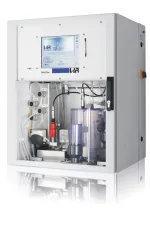
Total Bound Nitrogen TNbrefers to the total pollution of water by nitrogen compounds, making it an essential analytical parameter for water quality. Specifically, TN is measured in mg/l and includes various forms of nitrogen pollutants, such as ammonia, ammonium salts, nitrites, nitrates, and organic nitrogen compounds. By consistently monitoring TN water analysis, industries can gain deeper insights into water quality and ensure compliance with environmental standards. As a result, this helps protect both aquatic ecosystems and human health.
Why is it Important to Monitor Total Nitrogen in Water and Wastewater?
Monitoring TN in water and wastewater is especially crucial for maintaining a balanced ecosystem. While it is true that nitrogen is a natural and essential nutrient, excessive nitrogen discharges from industries can trigger harmful algal blooms, ultimately leading to eutrophication. Consequently, this process depletes oxygen levels and poses a significant threat to aquatic life. Therefore, controlling nitrogen concentrations through TN water analysis in public water sources is vital for preserving water quality and ensuring that ecosystems remain healthy and sustainable.
Furthermore, monitoring TN in wastewater effluent helps industries discharge at compliant levels. Not only does this safeguard the environment, but it also ensures regulatory compliance, thereby helping industries avoid fines and environmental damage. Since nitrogen-based pollutants, such as ammonia, ammonium salts, nitrate, nitrite, and organic nitrogen compounds, are common in industrial effluents, real-time TN water analysis becomes even more essential. Thus, consistent TN monitoring plays a pivotal role in responsible wastewater management and regulatory adherence.
TOC, COD, and BOD are three key measurements that help organizations ensure their wastewater is clean, meets environmental regulations, and protects rivers, lakes, wildlife, and drinking water.

EXPLORE WATER ANALYSIS APPLICATIONS
- BOD
- COD
- TNb
- TOC
- Why Airports Monitor TOC, COD, and BOD
- What is TRUE TOC Water Analysis?
- Wastewater Treatment
- Industrial Process Water
- Environmental Monitoring
- Surface Water Management
- Pure Water & Ultra-Pure Water
- Deicing Management
- Best Practices for Monitoring TOC, COD, and BOD in Industrial Wastewater
SALES | TRAINING INQUIRIES
AMERICAS: info.americas@process-insights.com
EMEAI (includes India): info.emeai@process-insights.com
APAC: info.apac@process-insights.com
CHINA: info.cn@process-insights.com


Reliable TRUE TOC COD BOD & Water Analyzers for Every Industry and Every Type of Water
QuickTOCultra™ TRUE TOC Water Analyzer using High Temperature Method

QuickTONultra™ TNb Water Analyzer with Chemiluminescence Technology
QuickCODultra™ COD Water Analyzer using UV-Activated Persulfate
QuickTOCairport™ Run-Off Deicing Water Analyzer for airport water applications
QuickCODlab™ COD Lab Water Analyzer for Laboratories

BioMonitor™ Online Toximeter for Organic or Inorganic Compounds BOD

Nitritox™ Online Toximeter for Measuring Toxicity in Water

ToxAlarm™ Online Toximeter for Municipal Water Treatment, Industrial Wastewater Monitoring & Environmental Protection